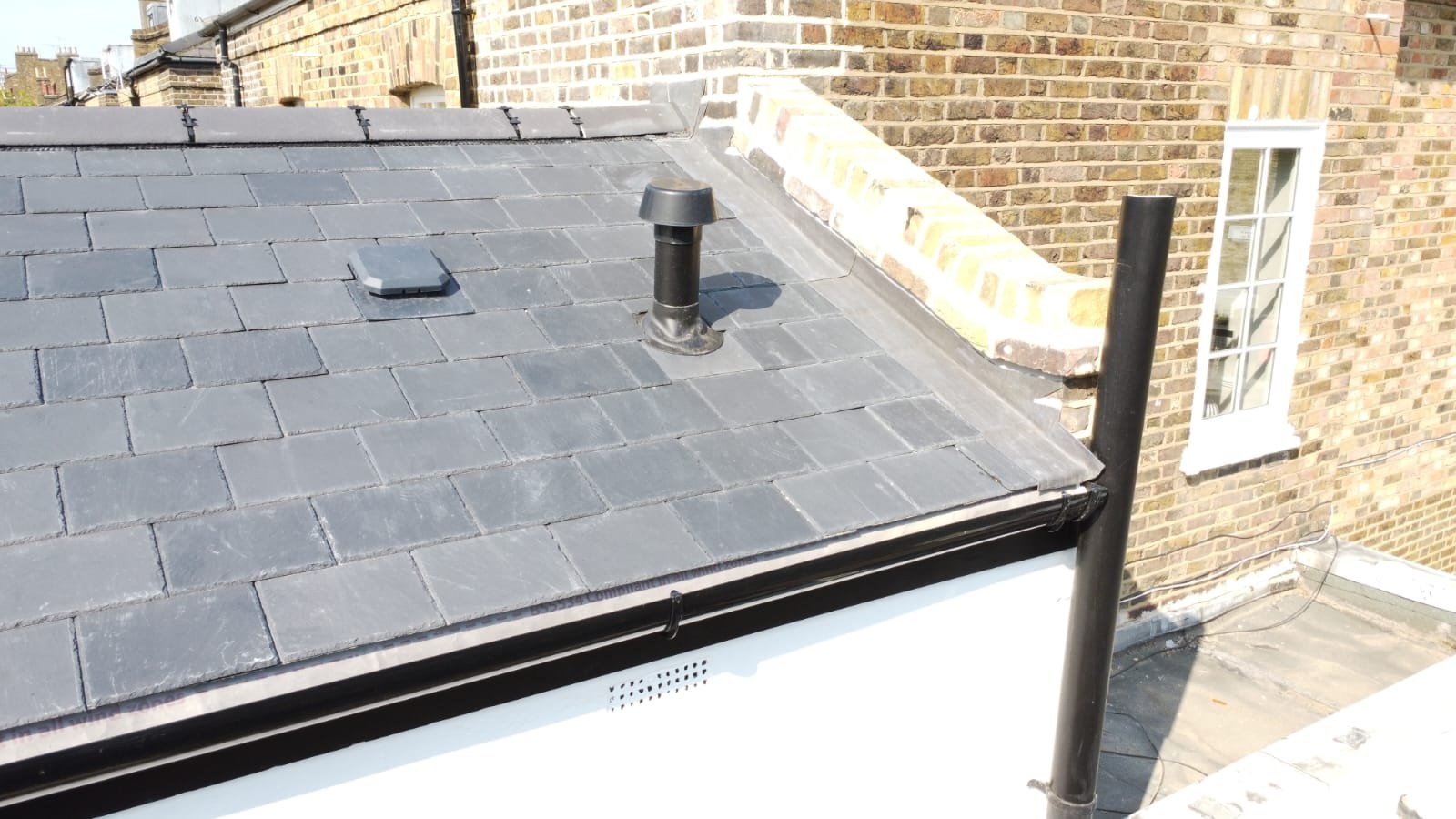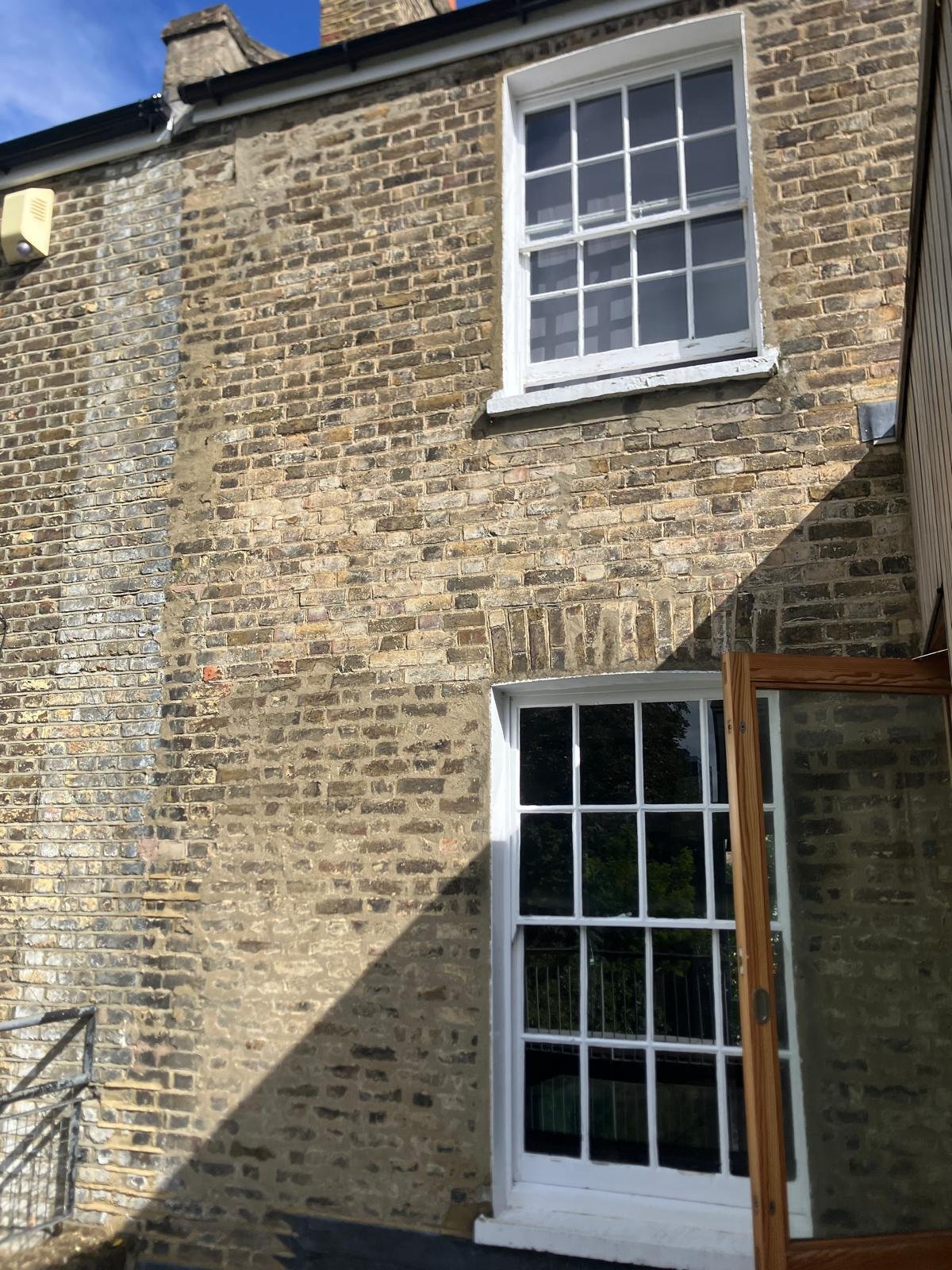
Walk down almost any Victorian street in Hackney, Islington or Camden and you will see the same thing: soft yellow London stock bricks with crumbling faces next to joints filled with hard grey cement. The mortar you choose for repointing or repairs matters more than most people realise. Use the wrong one and you can trap damp in the wall and slowly destroy the bricks it is meant to protect. This guide explains the difference between lime mortar and cement mortar, which one your London home needs and how to tell what you already have.
What is lime mortar?
Lime mortar is a mix of lime and sand. It sets slowly, partly by drawing carbon dioxide back out of the air, and stays slightly flexible once it has cured. There are two main types used on London houses today:
- Non-hydraulic lime (lime putty) – the most breathable and flexible. It sets slowly and is used on delicate historic and listed brickwork.
- Natural hydraulic lime (NHL 2, NHL 3.5, NHL 5) – sets partly with water, so it is quicker and more practical for exposed walls, chimneys and parapets. The number shows the strength: NHL 3.5 is the most common choice for Victorian and Edwardian brickwork.
Most London houses built before the First World War were laid in lime mortar. If your home is a Victorian or Edwardian terrace, a Georgian townhouse or a converted period building, its walls were almost certainly built to work with lime.
What is cement mortar?
Cement mortar is made from Portland cement and sand, sometimes with lime or plasticiser added. It sets quickly and becomes very hard and much less permeable than lime. It is the right material for modern buildings built with hard, dense bricks and cavity walls, which are designed to keep water out rather than let it move through.
Why the difference matters on London period homes
Older solid brick walls do not keep water out completely. Rain soaks a little way into the brick and mortar, then dries out again through the joints. Lime mortar lets this happen because it is softer and more porous than the brick. In a lime-built wall, the joints act as the wall’s escape route for moisture and as its sacrificial layer: they wear away slowly and can be repointed every few decades, while the bricks last.
When those joints are filled with hard cement, the moisture can no longer escape through them. It moves into the brick instead. In winter that water freezes, and salts carried with it crystallise just behind the surface. The result is the damage we see every week on London terraces:
- Spalling bricks – the faces of soft London stock bricks flake and fall off around the cement joints. See our guide to spalling bricks.
- Damp patches inside – water held in the wall finds its way to plaster and decorations, often below windows and around chimney breasts.
- Cracked joints – cement cannot move with the building, so it cracks and lets water in behind it.
- Hard-to-reverse damage – raking out cement without damaging the brick edges takes care, and badly removed cement leaves wider, uglier joints.
How to tell whether your walls have lime or cement
You can often tell from a simple look and feel, although a builder experienced with period properties can confirm it during a survey:
- Colour – lime mortar is usually off-white, cream or buff. Cement is mid to dark grey.
- Hardness – original lime mortar can usually be scratched with a key or screwdriver. Cement is hard and smooth and won’t scratch easily.
- Where the damage is – if the bricks are crumbling but the joints stand proud and intact, the joints are probably cement.
- Joint style – lime joints are usually flush or slightly recessed. Raised “ribbon” or strap pointing in grey cement is a common sign of later cement repairs.
When should you use lime mortar?
For most London homes built before 1919, lime mortar is the right choice for repointing and repairs. That includes Victorian and Edwardian terraces across Hackney, Islington, Camden, Haringey and Tower Hamlets, and Georgian houses in areas such as Barnsbury, Canonbury and Marylebone. It is also expected on most work in conservation areas and on listed buildings.
Lime is especially important on chimneys, parapet walls and garden walls, which get wet from both sides and take the worst of the weather. Natural hydraulic lime gives these exposed areas the extra durability they need while still letting the brickwork breathe.
When is cement mortar the right choice?
Cement-based mortars are appropriate for modern houses and extensions built with hard, dense bricks or blocks, for engineering bricks below damp-proof course level, and for new structural work designed for cement. On a period house, the key is not to mix the two systems: a modern extension can be built in cement, but repairs to the original walls should match the original lime.
Replacing cement pointing with lime
If your period home has been repointed in cement and the bricks are starting to suffer, the long-term fix is to carefully remove the cement and repoint in lime. A good job involves:
- Surveying the wall to find the cause of any damp first, such as a leaking gutter, downpipe or parapet coping.
- Raking out the hard joints by hand or with fine, controlled tools, so the brick edges aren’t chipped or widened.
- Replacing badly spalled bricks with matched reclaimed bricks, or turning them where the back face is sound.
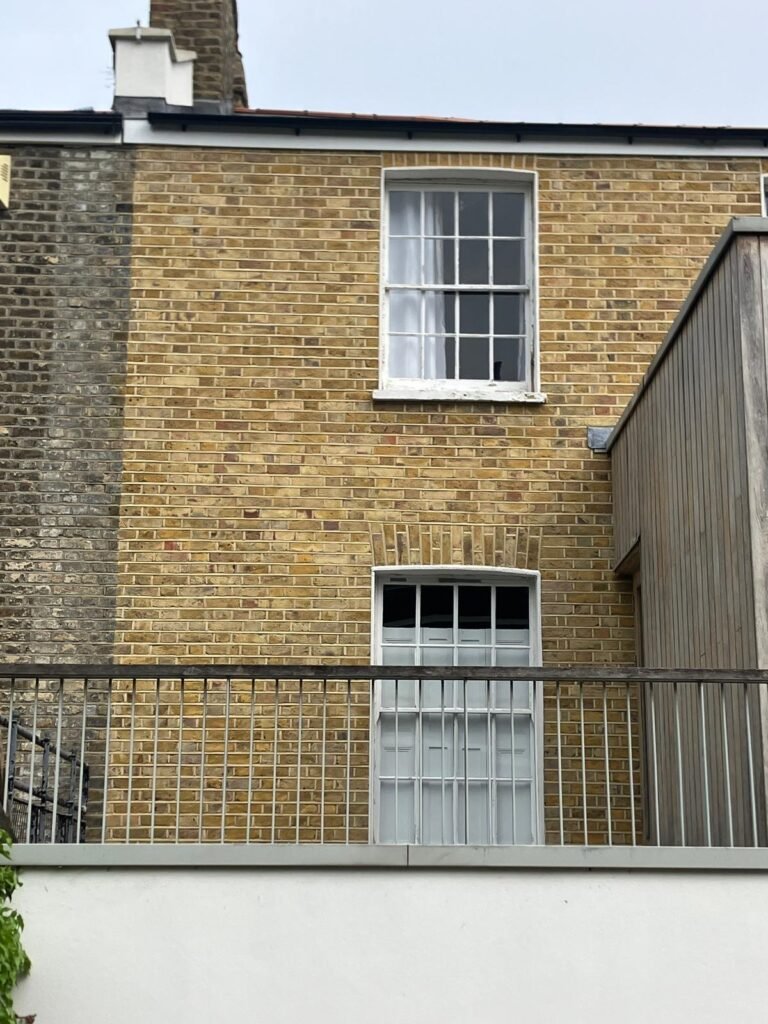
- Repointing in a lime mortar matched to the original in colour, texture and strength, with a joint profile that suits the house.
- Protecting the new mortar from sun, rain and frost while it cures, and leaving it to carbonate slowly.
Lime repointing is slower than cement work and cannot be rushed in cold or very wet weather, but it protects the bricks for decades. Read more about the process in our brick repointing guide, or see a recent heritage lime repointing project.
Lime mortar and brick cleaning
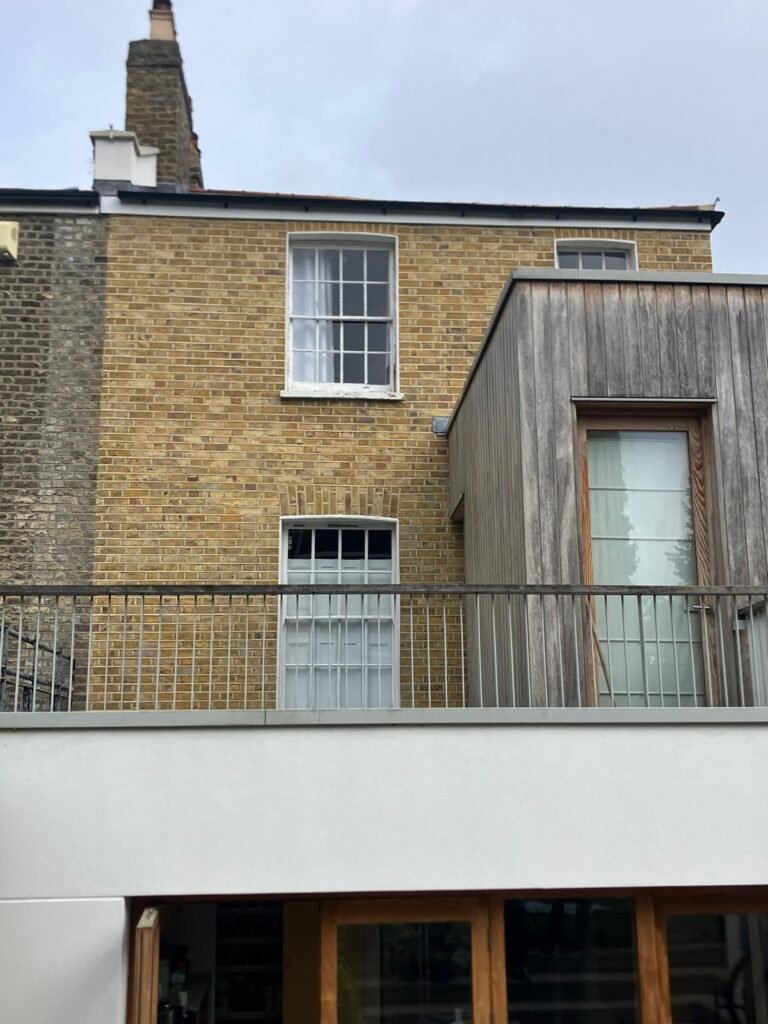
Many owners repoint at the same time as cleaning their brickwork. The order matters: walls are usually cleaned first with gentle methods such as steam, so that the new lime mortar isn’t stained or washed out. Our guide to safe brick cleaning explains the methods that protect soft London bricks.
Lime mortar repointing across London
BARL repoints and restores brickwork on period homes across North, East and Central London, using lime mortars matched to each building. We regularly work in Islington, Dalston, Marylebone, Hackney, Camden and the surrounding areas. See all our brickwork services.
Where we work in London
Frequently asked questions
For London houses built before about 1919, yes. Lime mortar is softer and more breathable than the bricks, so moisture can escape through the joints and the mortar wears instead of the brick. For modern houses built with hard bricks and cavity walls, cement-based mortar is normally the right choice.
It is not recommended. Hard cement pointing over lime-built brickwork traps moisture in the bricks, which leads to spalling, cracked joints and damp. Repairs to lime-built walls should be done in a lime mortar matched to the original.
Well-mixed lime pointing on a sheltered wall typically lasts many decades. Exposed areas such as chimneys and parapets wear faster. Because lime is designed to be sacrificial, it can simply be repointed when it wears, without damaging the bricks.
Lime mortar firms up within days but carries on curing for weeks and months. It needs protecting from frost, heavy rain and strong sun while it sets, which is why lime repointing is best planned outside the coldest months.
Most councils expect like-for-like materials on older buildings in conservation areas, which usually means lime mortar. On listed buildings it is normally a requirement. If you are unsure, check with your council’s conservation officer before work starts.