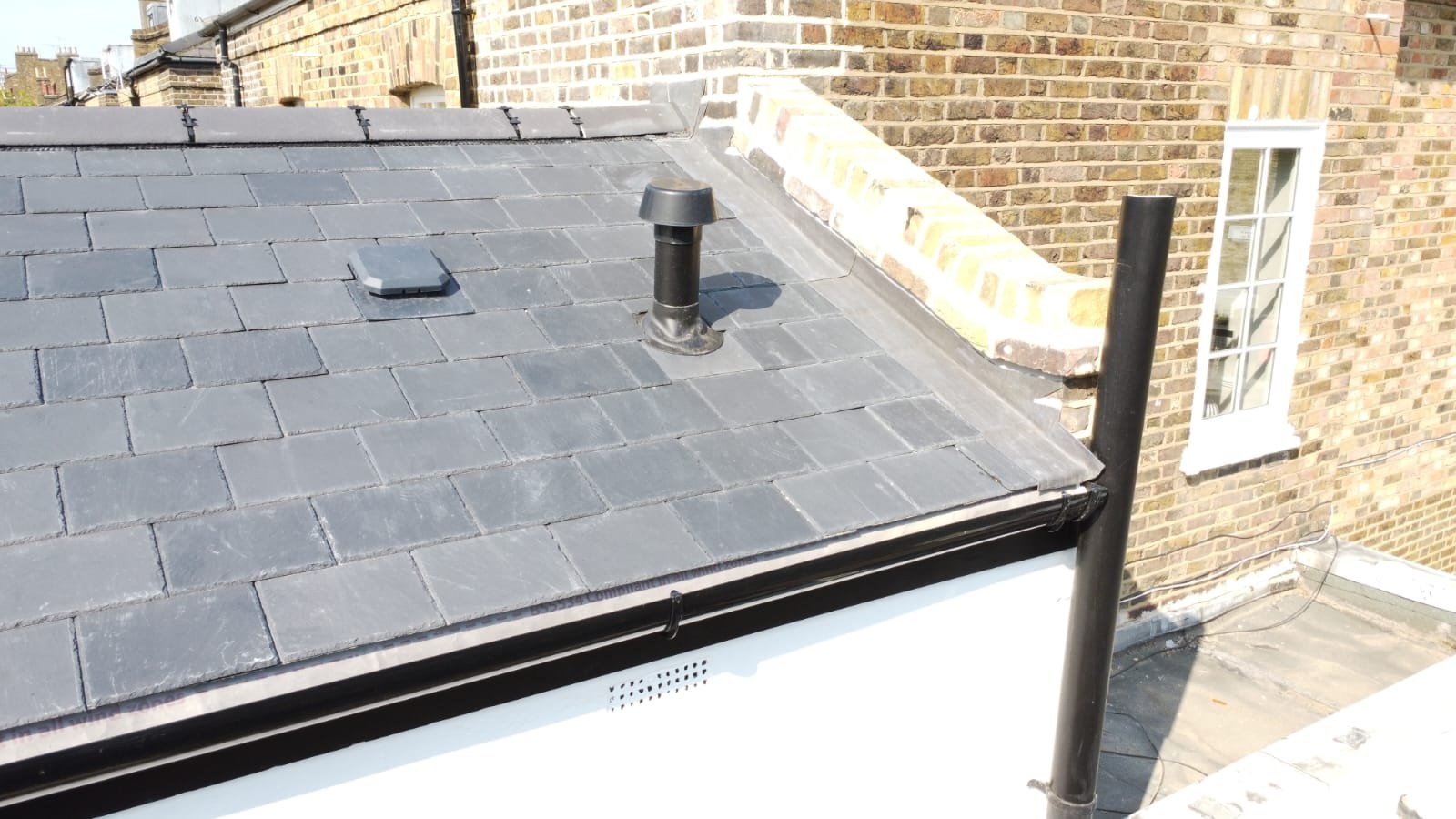
London has thousands of listed buildings, from Georgian terraces in Islington and Marylebone to Victorian villas in Hackney and Camden. Owning one comes with extra responsibility: repairs need to respect the building’s special interest, and some work needs consent before it starts. This guide explains how listed building restoration works, what usually needs consent and which materials and methods are expected.
What is a listed building?
A listed building is one that has been added to the National Heritage List for England because of its special architectural or historic interest. Listing protects the whole building, including later additions and some interior features, and often structures within its grounds. Being listed doesn’t stop a building from being repaired or improved, but it means changes are managed carefully.
Repairs vs alterations: when do you need consent?
Genuine like-for-like repairs, using the same materials and methods as the original, often don’t need listed building consent. Work that changes the building’s character usually does. Common examples that typically need consent include:
- Replacing natural slate with a different roof covering, or changing the roof shape.
- Repointing in a different mortar or joint style, or cleaning a facade with harsh methods.
- Replacing original windows, doors, chimney stacks or parapets.
- Removing or rebuilding original features such as cornices, arches or decorative brickwork.
- Adding insulation, rooflights or new openings.
Carrying out unauthorised works to a listed building is a criminal offence, so if you are unsure whether something needs consent, ask your council’s conservation officer before starting.
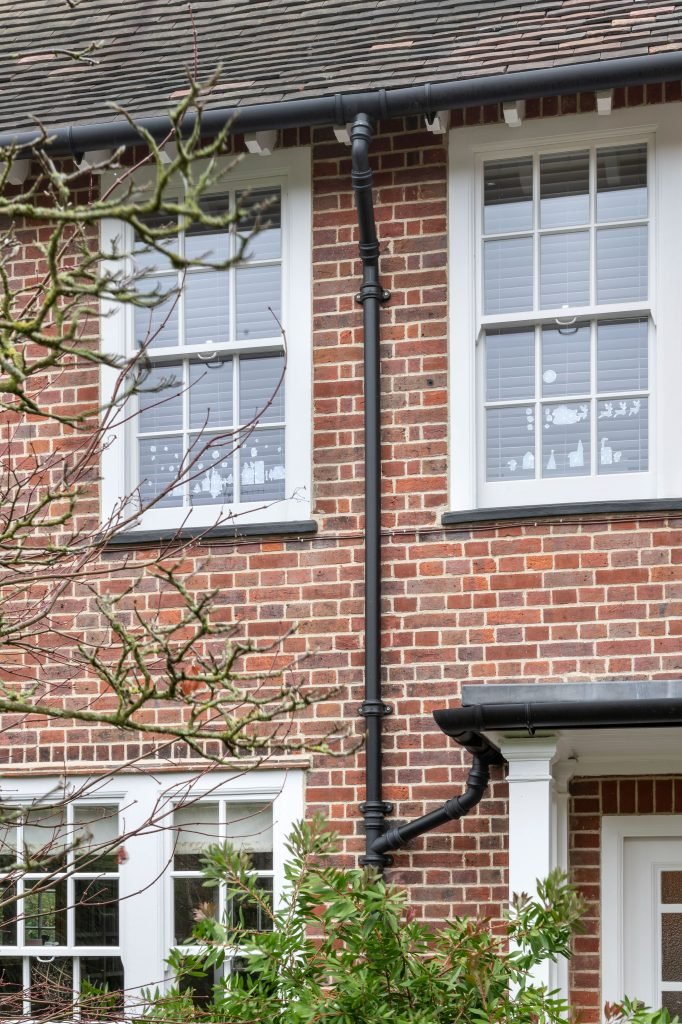
The right materials for listed buildings
- Lime mortar – for repointing and brick repairs, matched to the original in colour, texture and strength. See lime mortar vs cement.
- Natural slate – usually Welsh or a close match, laid to the original details. See natural slate roofing.
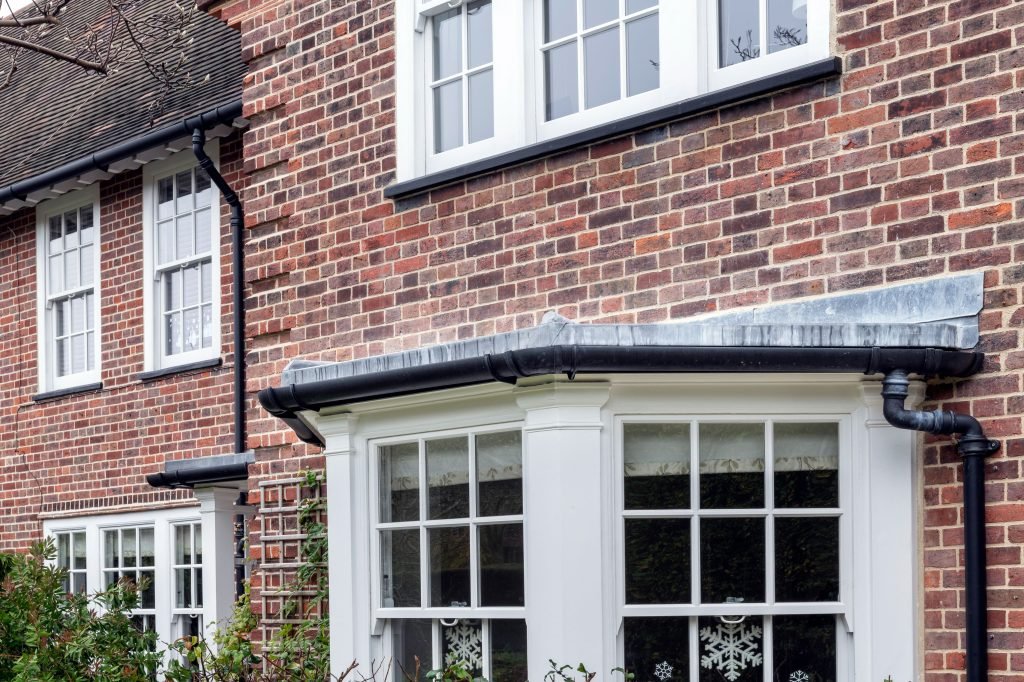
- Traditional leadwork – lead valleys, flashings and bay roofs formed to traditional details. See our leadwork services.
- Matched bricks – reclaimed London stocks or close matches for repairs. See our brick repair guide.
- Gentle cleaning – steam (DOFF) or low-pressure methods instead of sandblasting or acids. See safe brick cleaning.
How a listed building restoration project works
- Survey – a careful inspection of the roof, brickwork, leadwork and chimneys to find what is failing and why.
- Repair schedule – a clear written scope that separates like-for-like repairs from any alterations.
- Consent – where needed, a listed building consent application is made, often with photos and method statements.
- Access – scaffolding and licences are arranged, protecting delicate features.
- Repairs – carried out with traditional materials and methods, keeping as much original fabric as possible.
- Record – before, during and after photos, useful for the owner and for future work.
Listed buildings and conservation areas across London
Many listed buildings also sit in conservation areas, which have their own guidance on materials and details. Large parts of Islington, Hackney, Camden, Westminster and Kensington and Chelsea are covered. BARL regularly works in these areas, including Marylebone, Islington, Belgravia, Holland Park and Hackney.
Listed building restoration with BARL
BARL is a Hackney-based building restoration company with an in-house team for roofing, brickwork, lime repointing, leadwork and chimneys. We are members of the Federation of Master Builders and TrustMark, and rated 4.8 on Google. Read more about our building restoration services and our guide to building restoration in London.
Where we work in London
Frequently asked questions
Genuine like-for-like repairs using the same materials and methods often don’t need consent. Work that changes the building’s character, materials or appearance usually does. If in doubt, check with your council’s conservation officer before starting.
Yes, but it should be done in a lime mortar matched to the original, with the same joint style. Changing the mortar type or pointing style may need consent.
Re-roofing like for like in natural slate is often treated as a repair. Changing the roof covering, shape or adding rooflights usually needs listed building consent.
Unauthorised works to a listed building are a criminal offence and the council can require them to be reversed. Always get advice before changing a listed building.
Most listed houses are Grade II. Grade II* and Grade I buildings are of more than special interest and are less common.