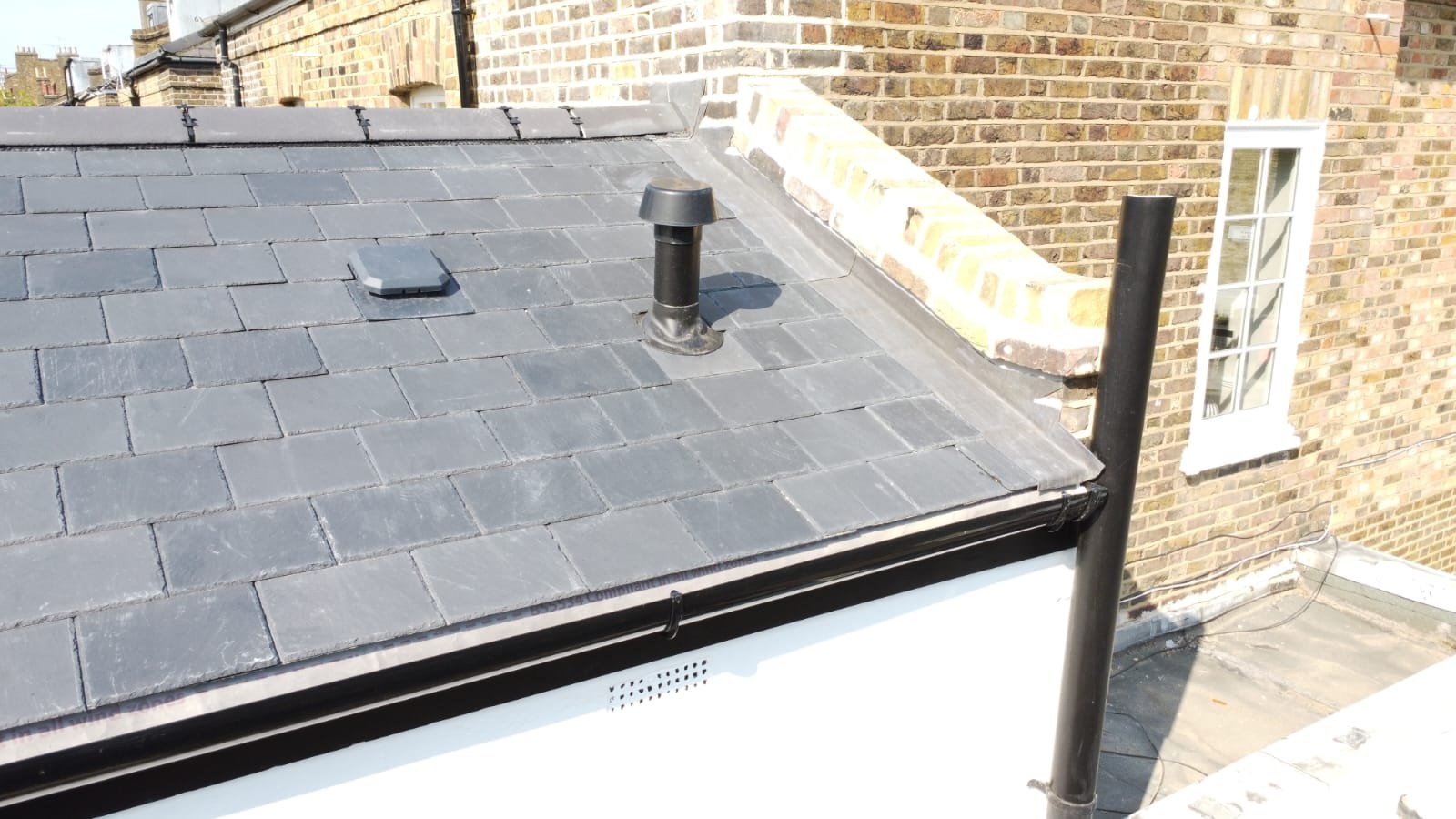
London’s Victorian, Edwardian and Georgian buildings were built to last, but after a century or more of weather, pollution and well-meant repairs, most need some restoration. Building restoration is about repairing a building in a way that respects how it was built, so it stays sound and keeps its character. This guide explains what exterior building restoration involves, how a project is planned and what to look for when choosing a building restoration company in London.
What is building restoration?
Building restoration covers the repair and conservation of an existing building, with the aim of keeping as much original fabric as possible. It is different from renovation, which changes or modernises a building. A restoration project repairs what is there, replaces only what can’t be saved, and uses materials that work with the building rather than against it.
On London homes and mansion blocks, most restoration work is on the outside of the building, where weather does the most damage. That is often called exterior building restoration.
What exterior building restoration includes
- Roofs – repairing or replacing natural slate and clay tile roofs, flat roofs and valley and parapet gutters. See our roof replacement guide.
- Brickwork – brick repairs, crack stitching, replacing spalled bricks and rebuilding loose walls.
- Repointing – raking out failed joints and repointing in lime mortar matched to the original.
- Brick and stone cleaning – removing soot, staining and paint with gentle methods. See safe brick cleaning.
- Leadwork – lead bay roofs, flashings, valleys and parapet gutters, laid to traditional details. See our leadwork services.
- Chimneys and parapets – repointing or rebuilding stacks, new copings and flashings, and parapet wall rebuilds.
- Asphalt – mastic asphalt roofs, balconies and steps, common on London mansion blocks and terraces.
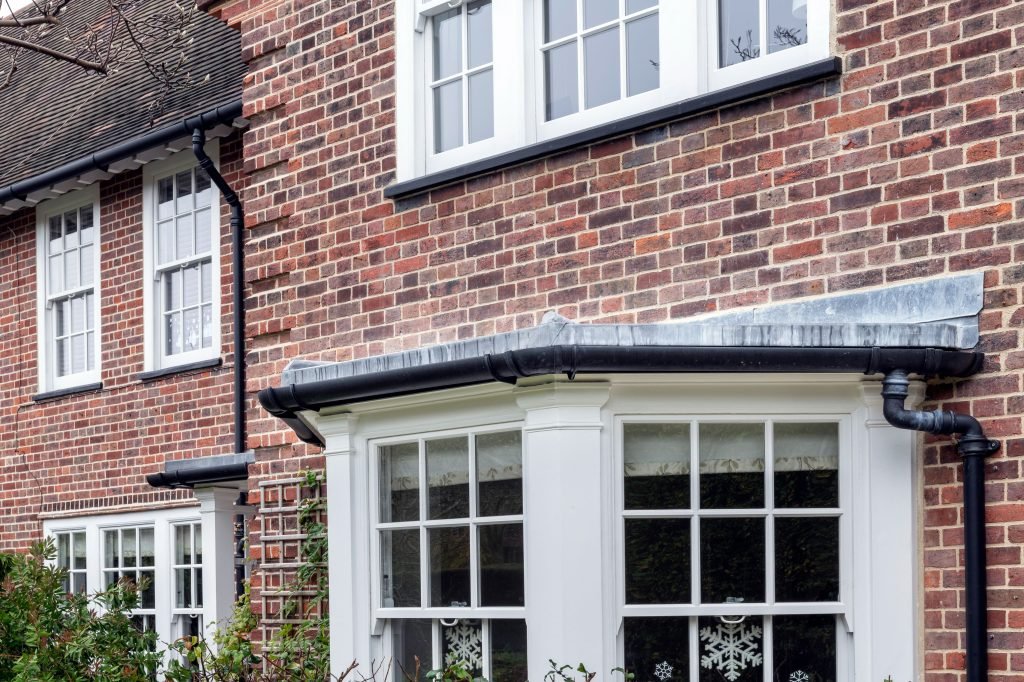
How a building restoration project works
- Survey and diagnosis – the building is inspected from the ground, ladders or scaffold to find what is failing and why: leaks, failed mortar, cracked bricks, loose slates, blocked gutters or old cement repairs.
- Scope and written quote – the work is set out clearly, separating urgent repairs from work that can be planned for later.
- Permissions – for listed buildings or conservation areas, the council’s guidance is checked and any consents arranged before work starts.
- Access – scaffolding, licences and parking suspensions are organised where needed. On busy London streets this can take a few weeks.
- Restoration work – usually from the top down: roof, chimneys and parapets first, then brickwork, repointing and cleaning, so finished work isn’t damaged.
- Final inspection – the work is checked with the client before the scaffold comes down, with photos of the completed work.
Restoration in conservation areas and on listed buildings
Much of North, East and Central London is covered by conservation areas, including large parts of Islington, Hackney, Camden and Westminster. In these areas councils usually expect repairs to match the original materials and details: natural slate rather than concrete tiles, lime mortar rather than cement, and timber windows rather than uPVC on the front. Listed buildings normally need listed building consent for anything beyond like-for-like repairs.
An experienced restoration company will know these expectations, use suitable materials from the start and help you avoid work that has to be undone later.
How to choose a building restoration company in London
Restoration is specialist work, and the wrong approach can cause more damage than it fixes. When comparing building restoration companies, look for:
- Experience with period buildings – ask to see similar projects, ideally in your area.
- Traditional skills in-house – roofing, brickwork, lime work and leadwork done by the company’s own team, rather than passed between subcontractors.
- A proper survey and written quote – not a figure given over the phone without seeing the building.
- Trade memberships and reviews – for example the Federation of Master Builders, TrustMark and genuine customer reviews.
- Clear communication – a named contact, a realistic programme and photos of hidden work such as roof timbers and flashings.
- The right materials – lime mortar, natural slate and lead where the building needs them.
Why choose BARL for building restoration
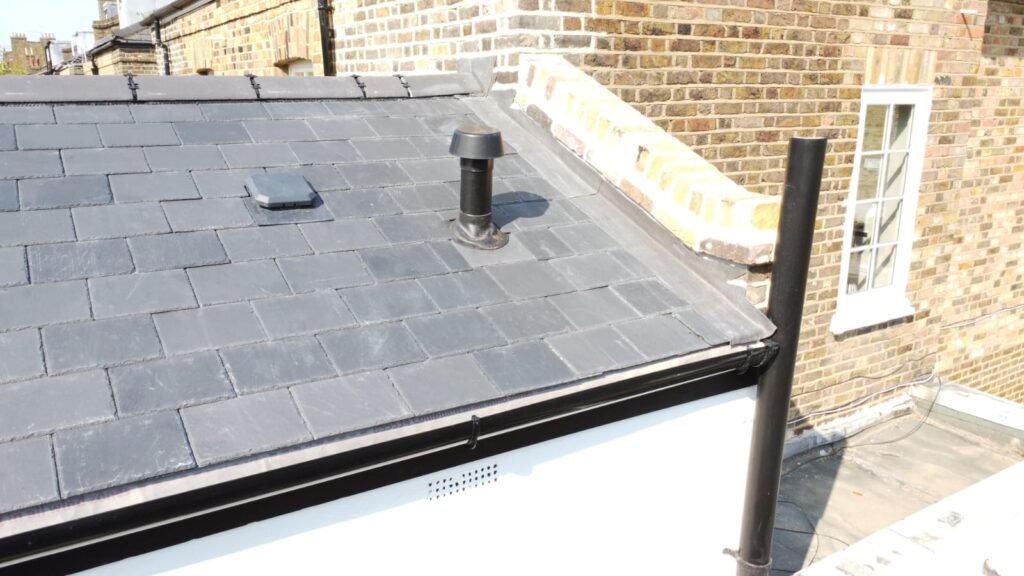
BARL is a Hackney-based building restoration company working on period and modern buildings across North, East and Central London. Our own team covers roofing, brickwork, repointing, leadwork, chimneys, parapets and asphalt, so one survey and one quote can cover the whole exterior. We are members of the Federation of Master Builders and TrustMark, and rated 4.8 on Google. See our building restoration services, or recent projects such as a Victorian slate roof restoration in Islington and a parapet wall and leadwork restoration.
Where we work in London
Frequently asked questions
Restoration repairs and conserves an existing building using methods and materials that suit its original construction, keeping as much original fabric as possible. Renovation changes or modernises a building, for example with new layouts or modern materials.
Small repairs can take days. Exterior restoration of a typical London terraced house, such as a roof, chimneys and repointing, often takes a few weeks once scaffolding is up. Larger buildings and listed properties take longer, especially if consent is needed.
Like-for-like repairs usually don’t need planning permission. Listed buildings normally need listed building consent for alterations, and conservation areas may have rules on materials. Check with your council before major work.
A clear written scope of each repair, the materials to be used, access and scaffolding, any permissions, and how long the work will take. It should be based on a proper survey of the building.
Yes. Many projects focus on one area such as the roof, chimney stacks or front elevation. A survey helps decide which repairs are urgent and which can be planned later.