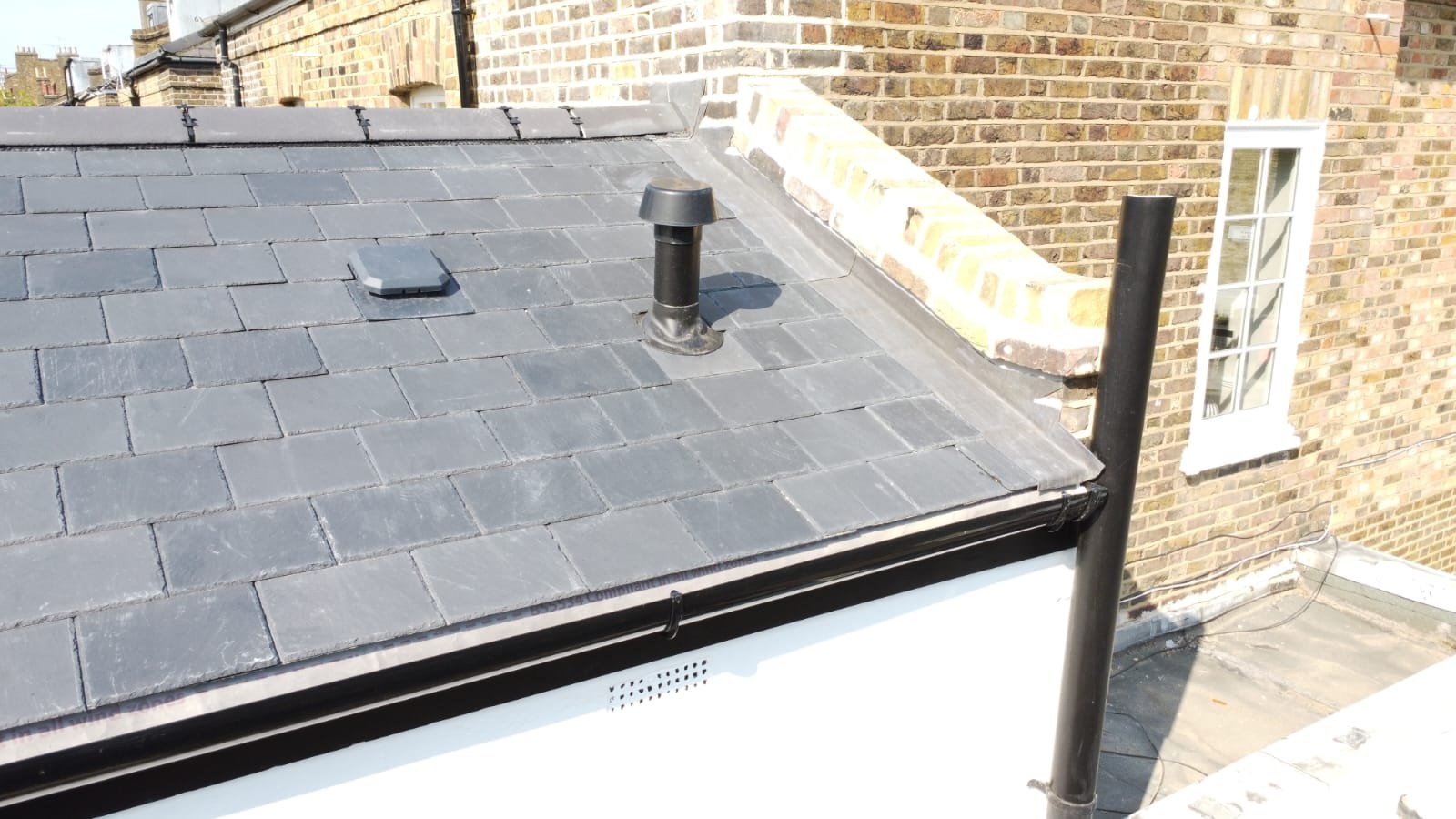
Most London homes are over a hundred years old, and their brickwork shows it. Cracked walls, crumbling brick faces, bulging garden walls and loose chimney bricks are some of the most common problems we are asked to look at. The good news is that most brickwork damage can be repaired properly without rebuilding the whole wall. The key is understanding what caused it and choosing a repair that suits the building. This guide covers the main types of brick damage, how each is repaired and when to call in a specialist.
Common types of brick damage on London homes
Cracked brickwork
Fine hairline cracks in mortar are often just old age and seasonal movement. Stepped cracks that follow the mortar joints, cracks wider than a few millimetres, or cracks that reopen after being filled can point to movement in the wall, failing lintels, tree roots or problems below ground. They should be looked at before they are simply filled.
Spalling and crumbling bricks
When the face of a brick flakes or breaks away, it is called spalling. On London’s soft stock bricks it is usually caused by trapped moisture freezing, salts, or hard cement pointing that forces water through the brick instead of the joints. Our spalling bricks guide explains this in detail.
Loose or missing mortar
Mortar that is recessed, sandy or falling out lets water into the wall. On its own this is usually fixed by repointing, but if it is left too long the bricks around it start to suffer too.
Bulging, leaning or loose walls
Garden walls, boundary walls and parapets often lean or bulge as their foundations move or their mortar fails. Chimney stacks can loosen at the top where they are most exposed. These need prompt attention because falling bricks are a safety risk.
Failed arches and lintels
Cracks above windows and doors, dropped brick arches or rusting steel lintels show that the support over the opening is failing. These repairs often need temporary support while the arch or lintel is rebuilt.
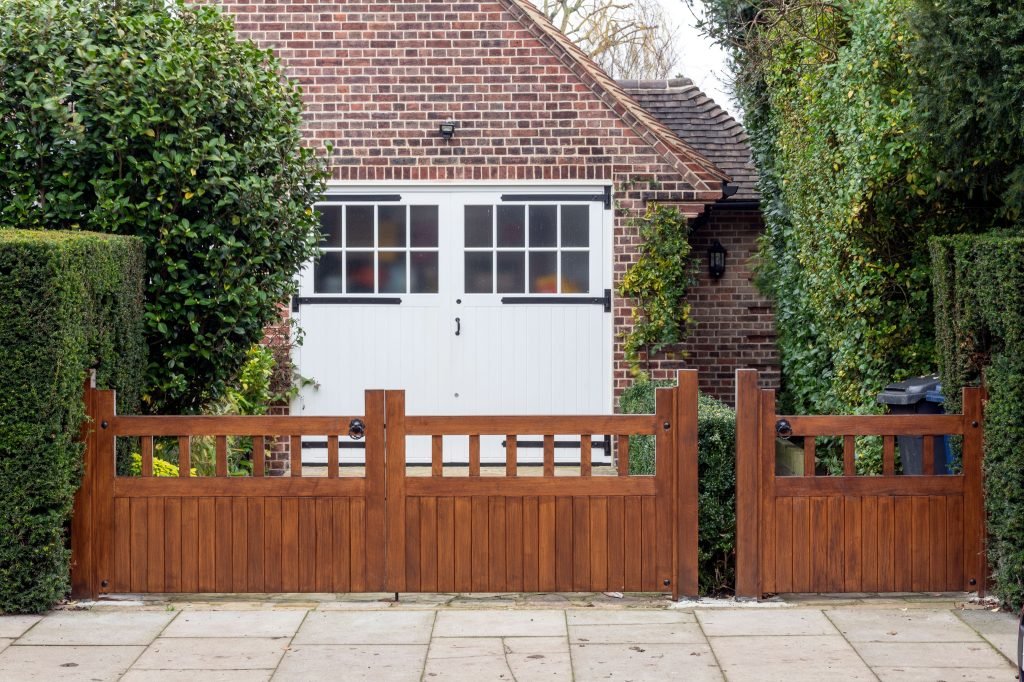
How brickwork is repaired
Every wall is different, but most brick repairs on London homes use one or more of these methods:
- Brick replacement – damaged bricks are carefully cut out and replaced with matched bricks. On period homes we use reclaimed London stocks or close new matches, so the repair blends in.
- Turning bricks – where a brick’s back face is sound, it can sometimes be removed, turned round and relaid, keeping the original material.
- Crack stitching – stainless steel helical bars are set into the mortar joints across a crack to tie the wall back together, then repointed so they’re hidden.
- Repointing – failed mortar is raked out and replaced in a mortar that suits the wall, usually lime on older buildings.
- Partial rebuilding – sections that are loose, leaning or badly damaged are taken down and rebuilt using the original bricks wherever possible.
- Arch and lintel repairs – brick arches are rebuilt and failed lintels replaced, with the opening supported while the work is done.
- Brick tinting – where a repair can’t be matched perfectly, specialist tinting blends new bricks with the old.
Why the cause matters more than the repair
Replacing damaged bricks without fixing the reason they failed means you will be paying for the same repair again. Before any brick repair, we check for:
- Leaking gutters, downpipes and hoppers soaking the wall.
- Failed parapet copings and chimney flashings letting water into the top of the wall. See our guide to chimney, flashing and parapet repairs.
- Hard cement pointing, cement render or sealants trapping moisture in soft bricks.
- Raised ground or paving levels bridging the damp-proof course.
- Signs of ongoing movement that may need a structural engineer’s opinion.
Brick repairs on period and listed buildings
On Victorian, Edwardian and Georgian homes, how a repair is done matters as much as what is done. Like-for-like bricks, lime mortar and joint styles that match the original are usually expected in conservation areas, and listed buildings may need consent before work starts. Good brick repairs on a period house should be almost invisible once they have weathered in. Find out more about lime mortar vs cement.

When to call a brickwork specialist
Small areas of repointing on a low garden wall can be straightforward. Call a specialist if you notice:
- Cracks that are wider than a few millimetres, stepped, or getting bigger.
- Walls that lean, bulge or move when pushed.
- Loose or falling bricks on chimneys, parapets or high walls.
- Crumbling bricks spreading across a wall.
- Damp patches inside that line up with damaged brickwork outside.
- Any work on a listed building or in a conservation area.
Brick repairs across London
BARL repairs and restores brickwork on homes and commercial buildings across North, East and Central London, from single cracked lintels to full facade restorations. We regularly work in Islington, Dalston, Marylebone, Hackney, Camden and surrounding areas. See our full brickwork services or a recent parapet wall rebuild in London Fields.
Where we work in London
Frequently asked questions
Yes. Individual damaged bricks can be cut out and replaced with matched bricks while the rest of the wall stays in place. Only loose, leaning or badly damaged sections normally need taking down and rebuilding.
Fine hairline cracks are often minor. Cracks wider than a few millimetres, stepped cracks following the joints, or cracks that keep reopening can indicate movement and should be inspected. A structural engineer may be needed for significant movement.
Crack stitching repairs cracked masonry by setting stainless steel helical bars into the mortar joints across the crack. The bars tie the wall back together and are then hidden by repointing, so the wall regains strength without rebuilding.
Yes, especially on period homes. Reclaimed London stock bricks or close modern matches keep the repair from standing out. Where a perfect match isn’t possible, brick tinting can blend the repair in.
Like-for-like repairs on most houses don’t need permission. Listed buildings may need listed building consent, and conservation areas often have guidance on materials, so check before starting larger work.